

Meet the 2025-26 Alumni of Distinction
By Matt Jardin
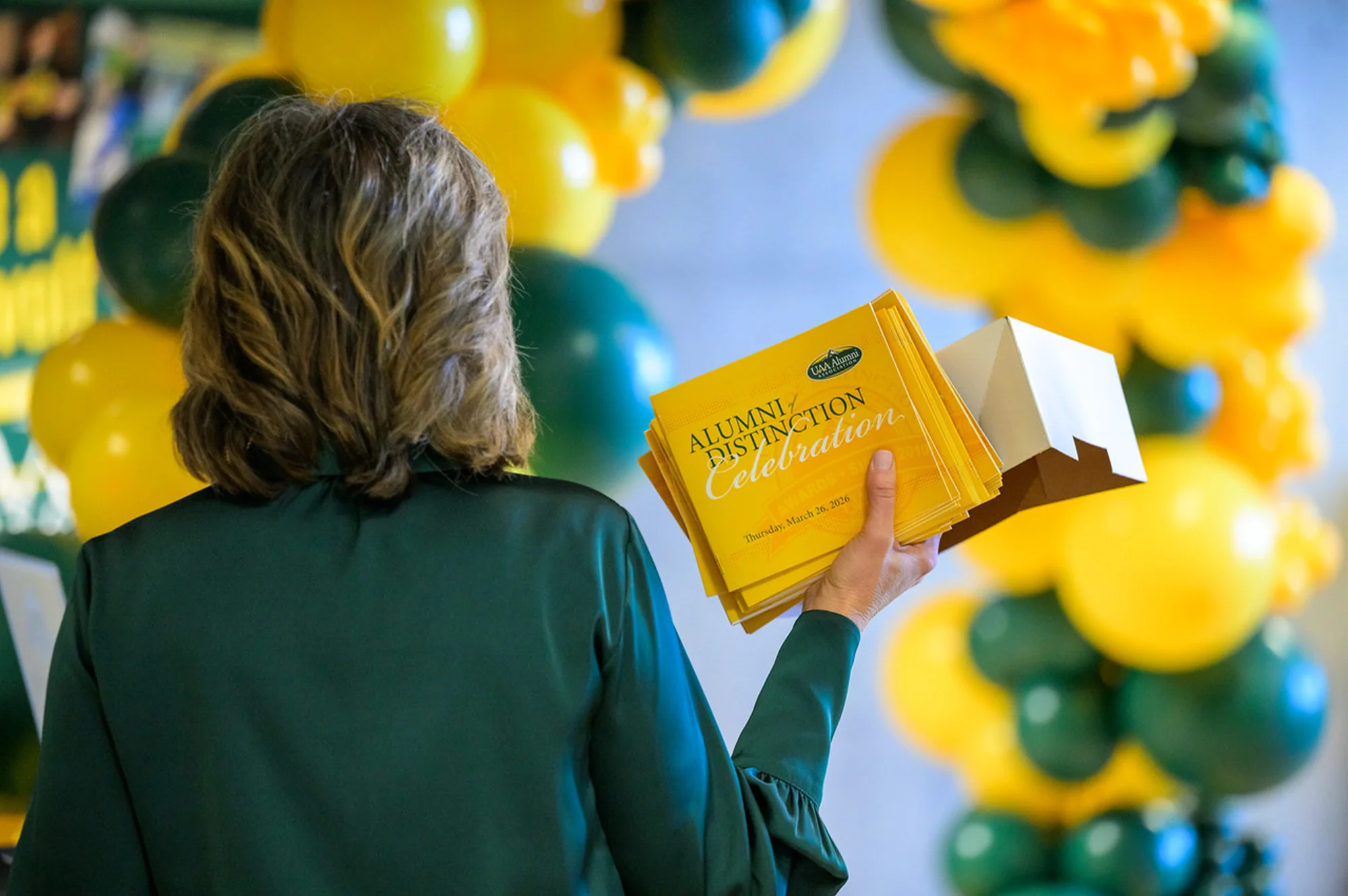
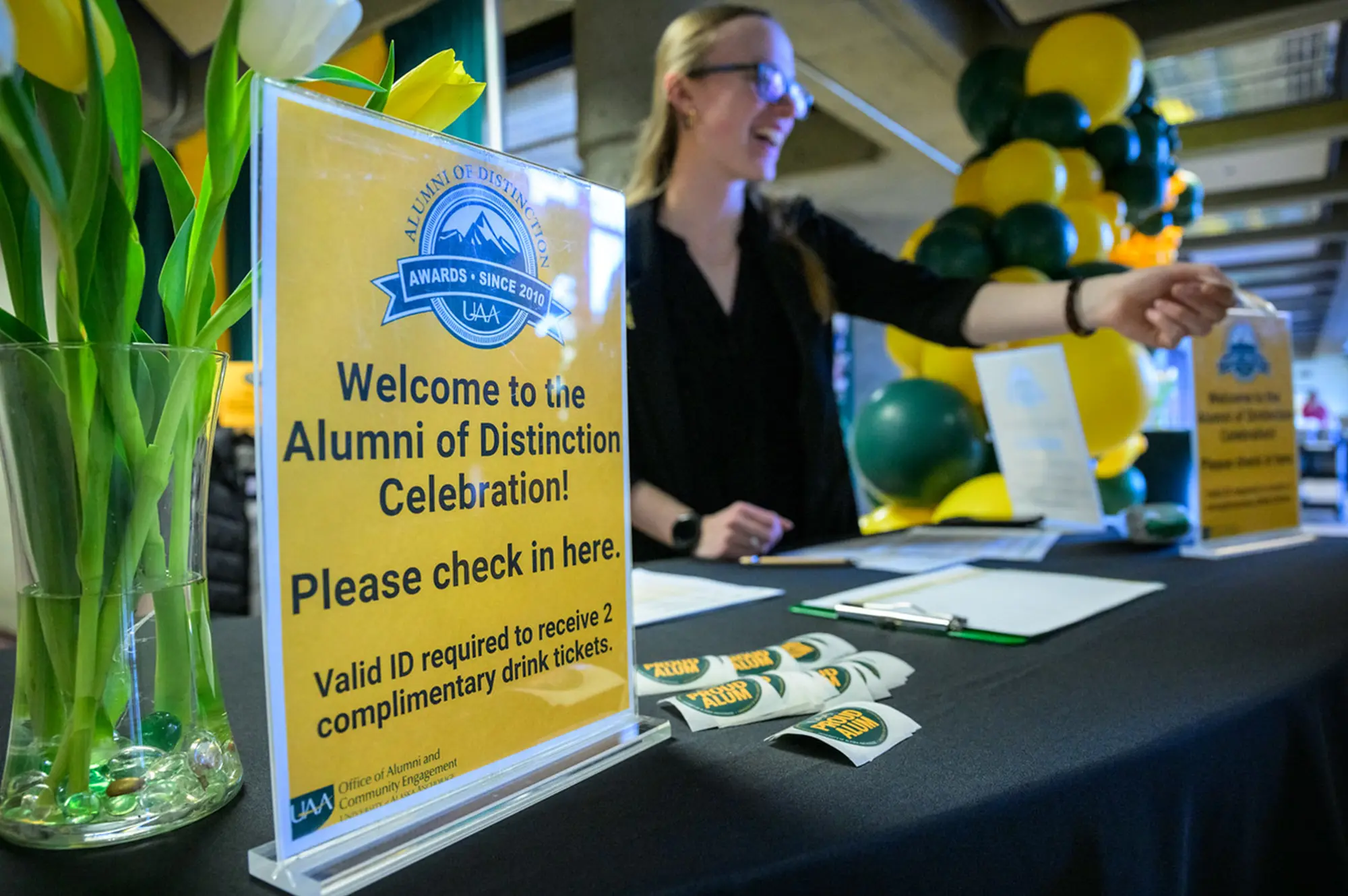
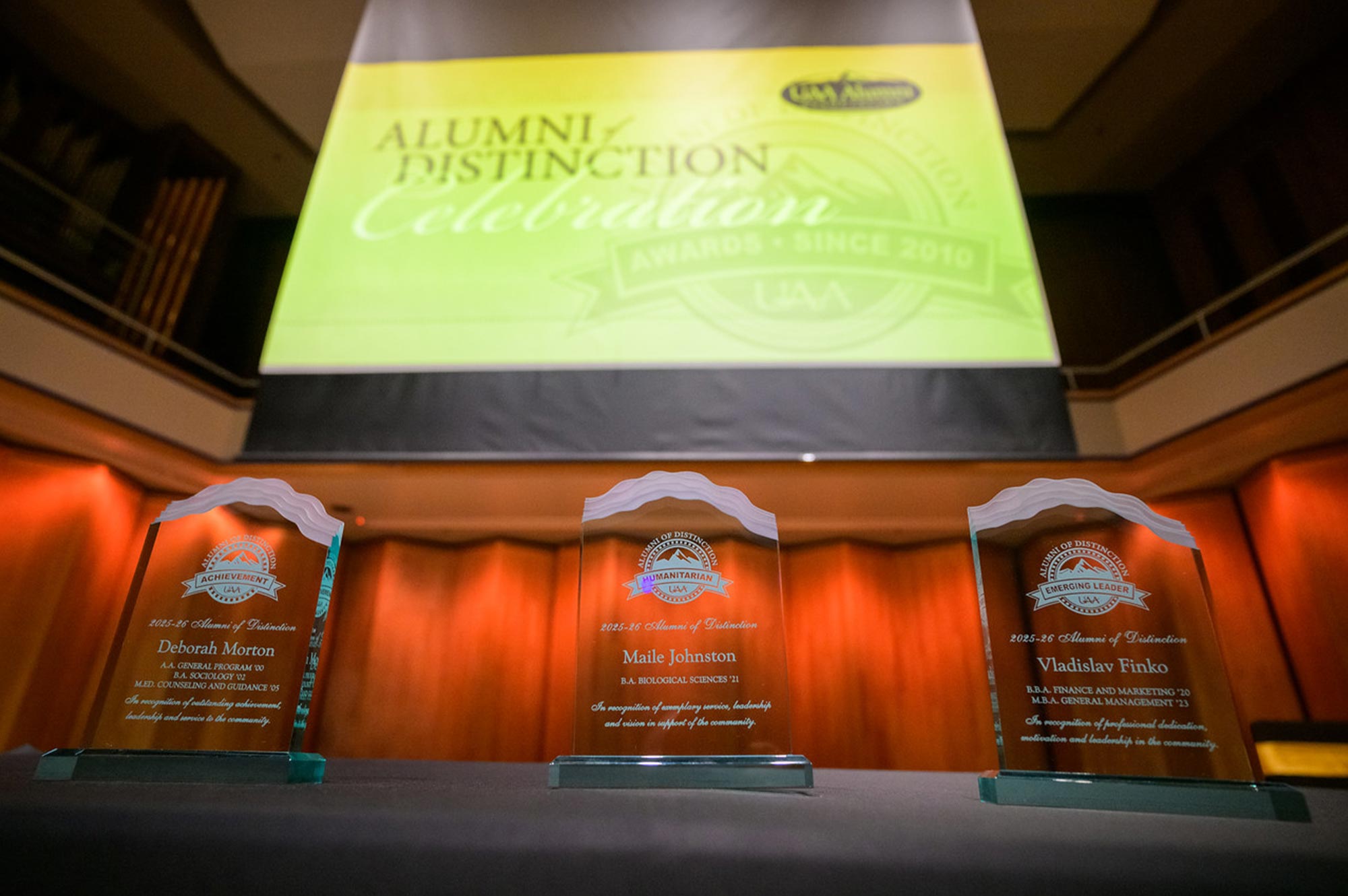
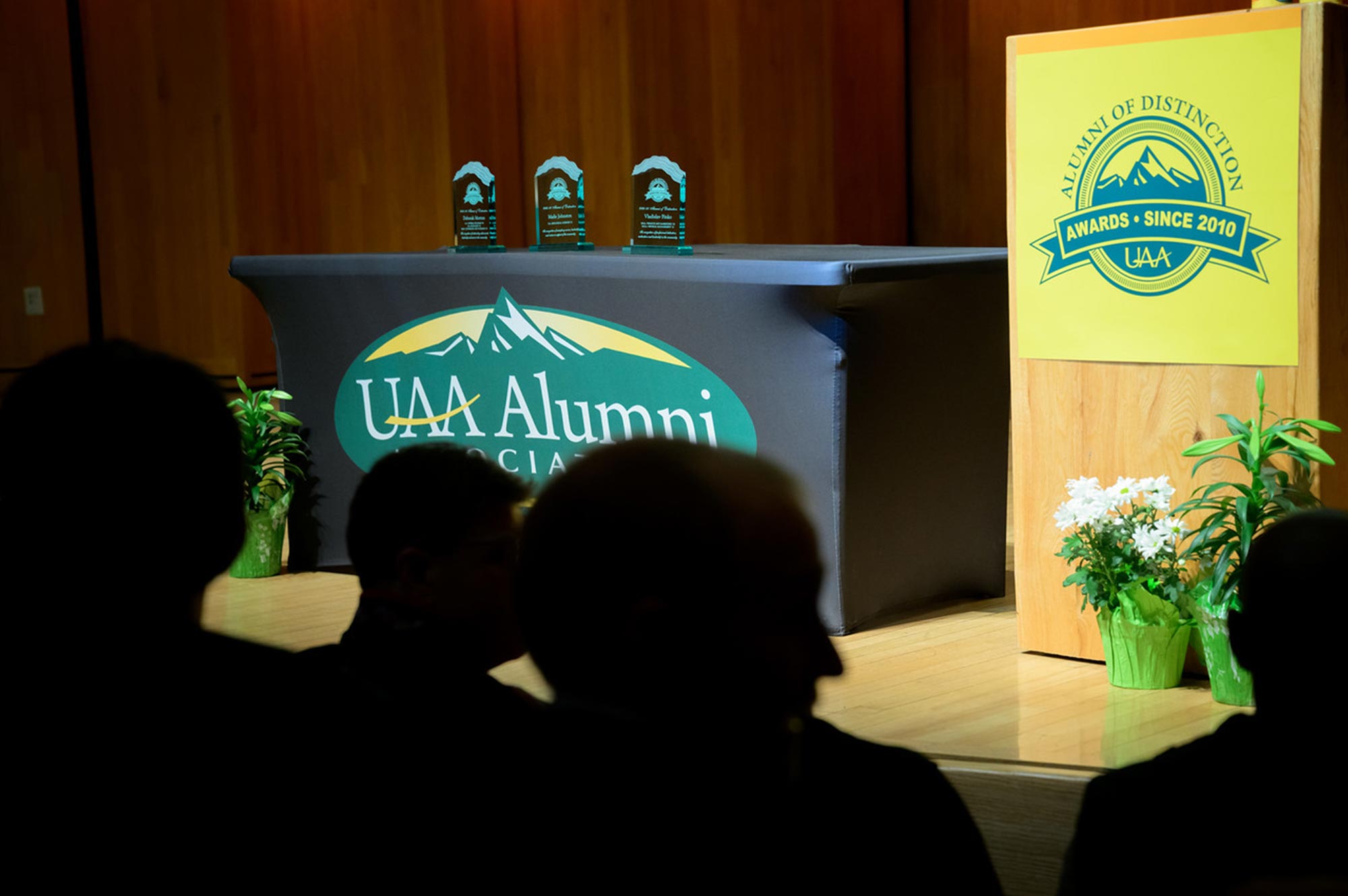
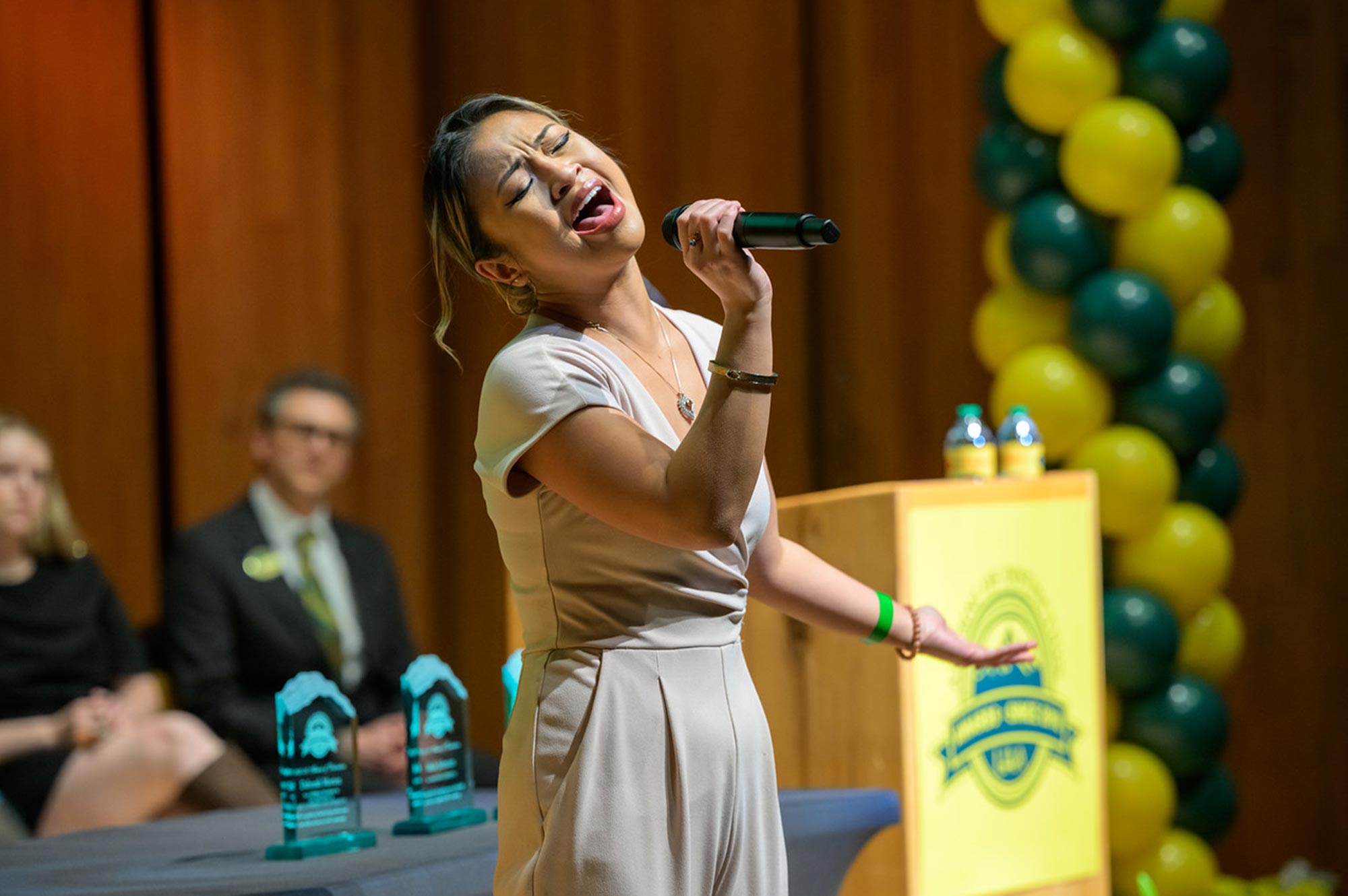
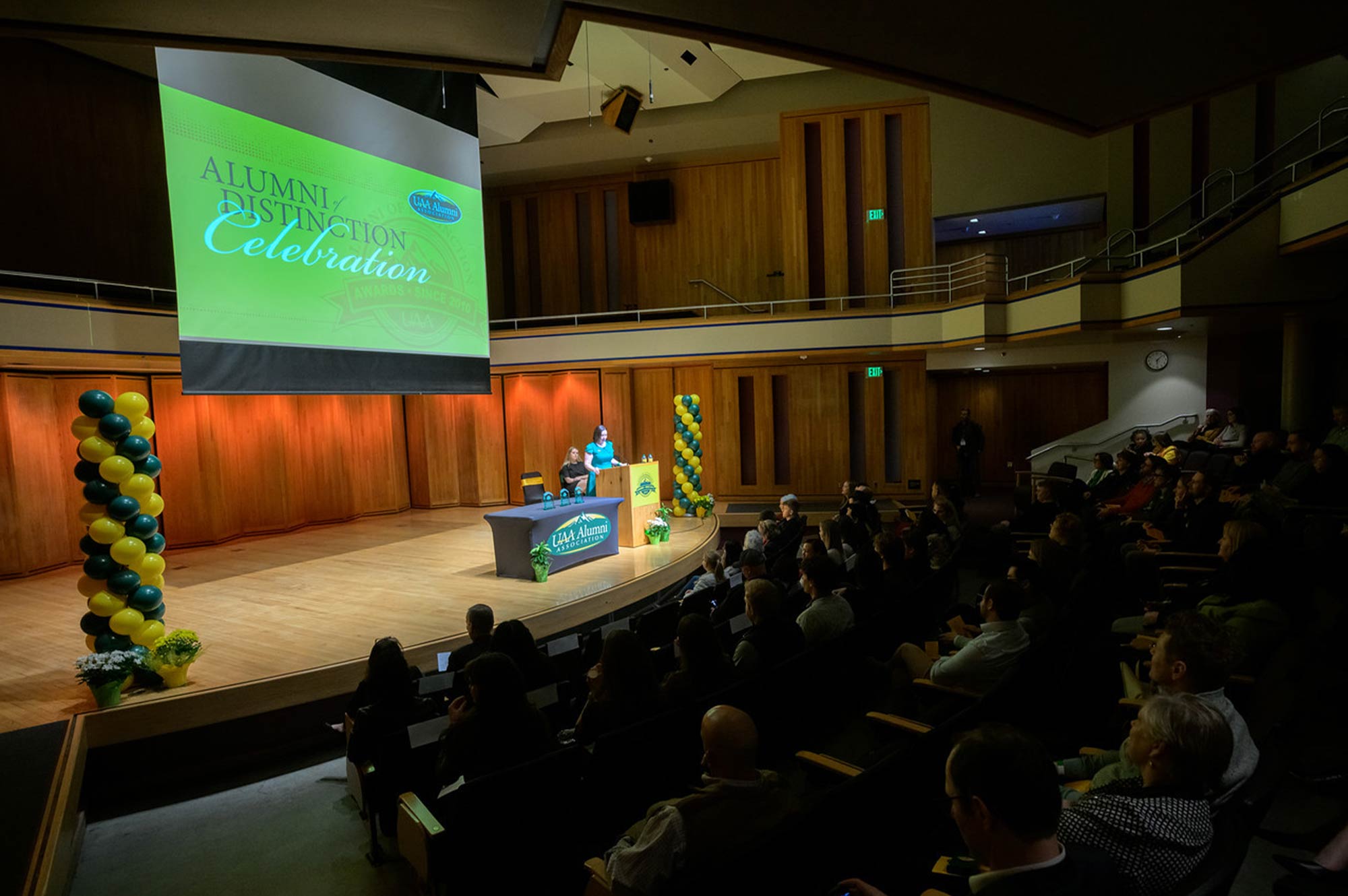
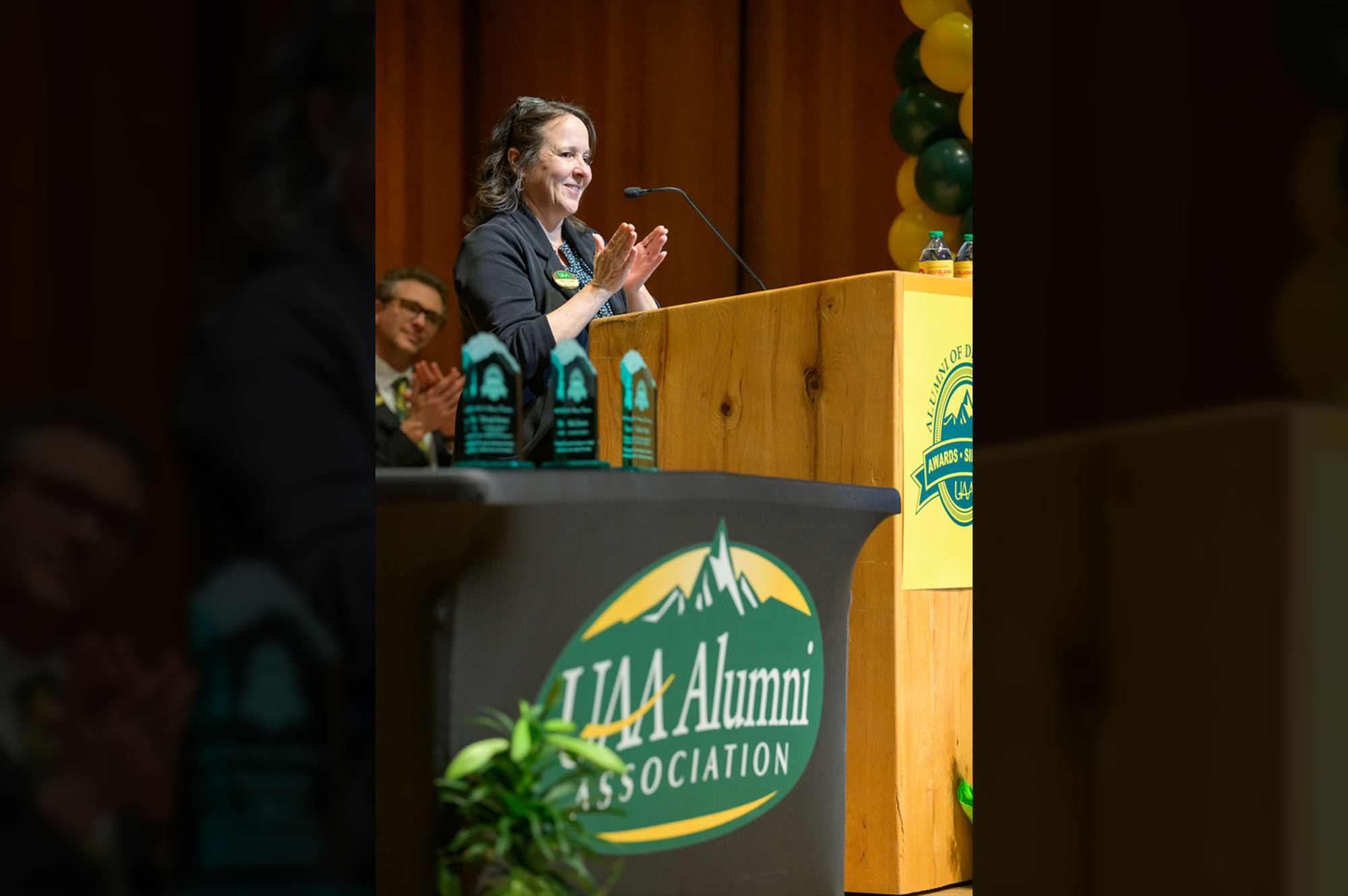
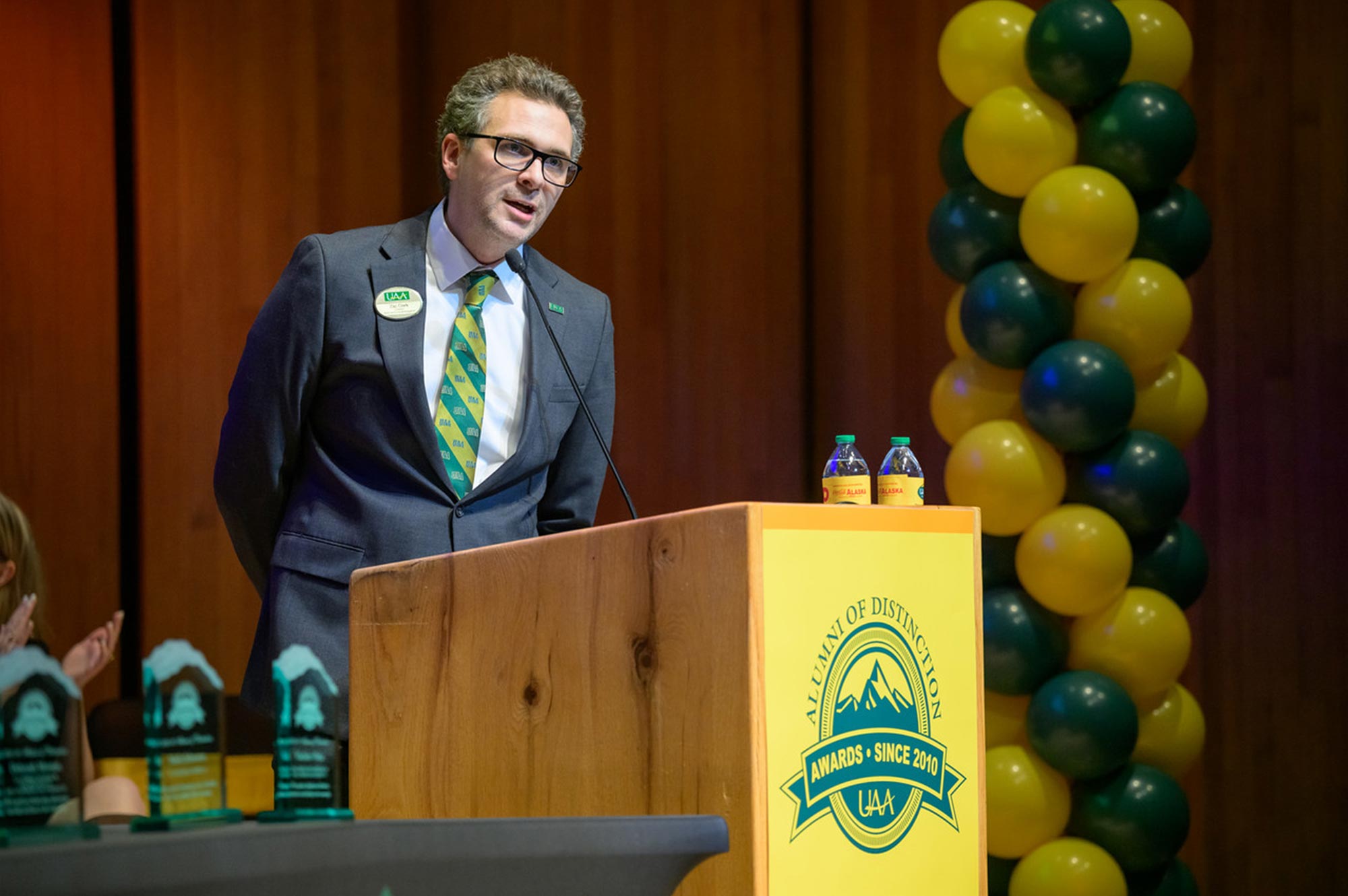
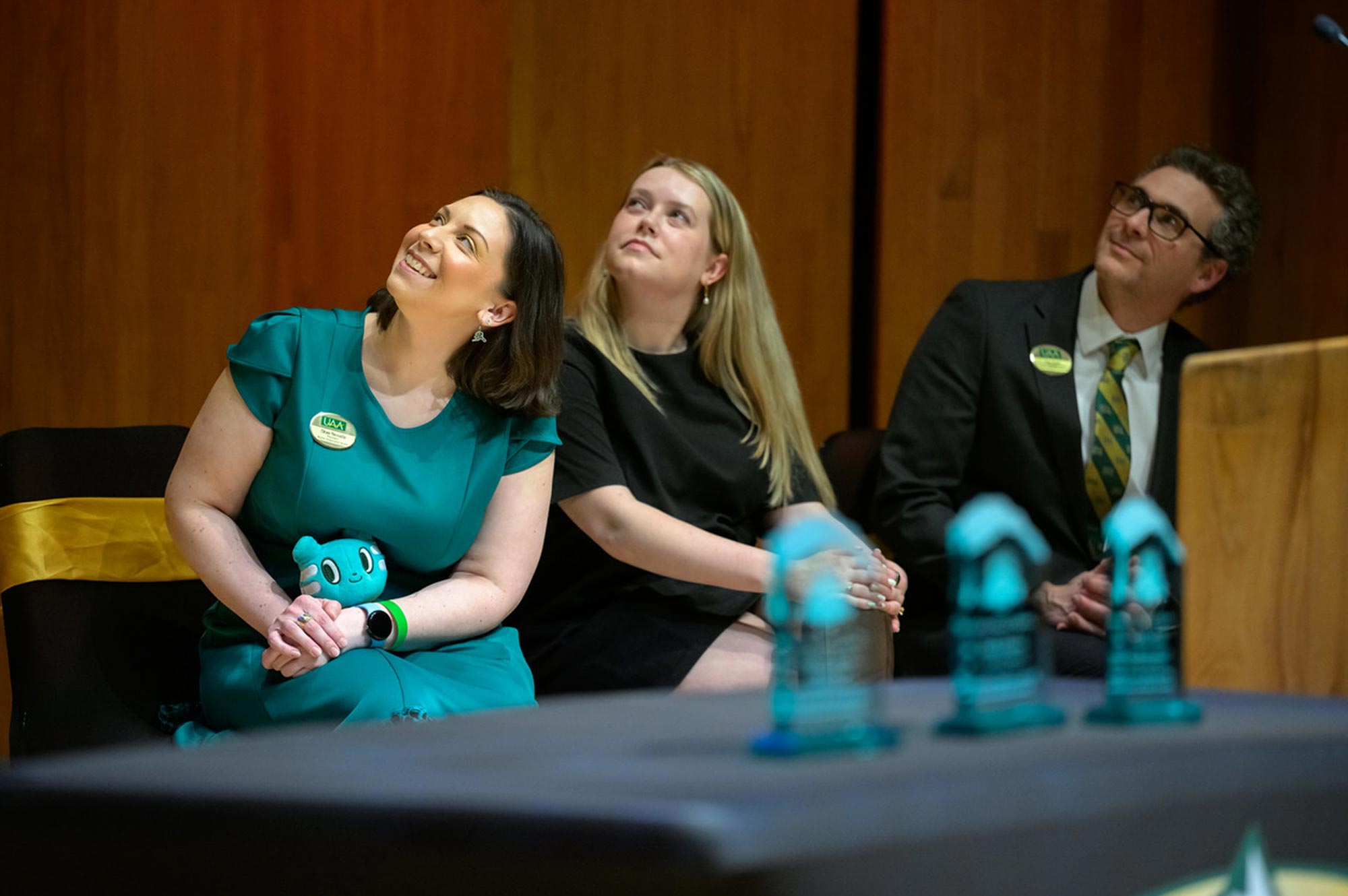
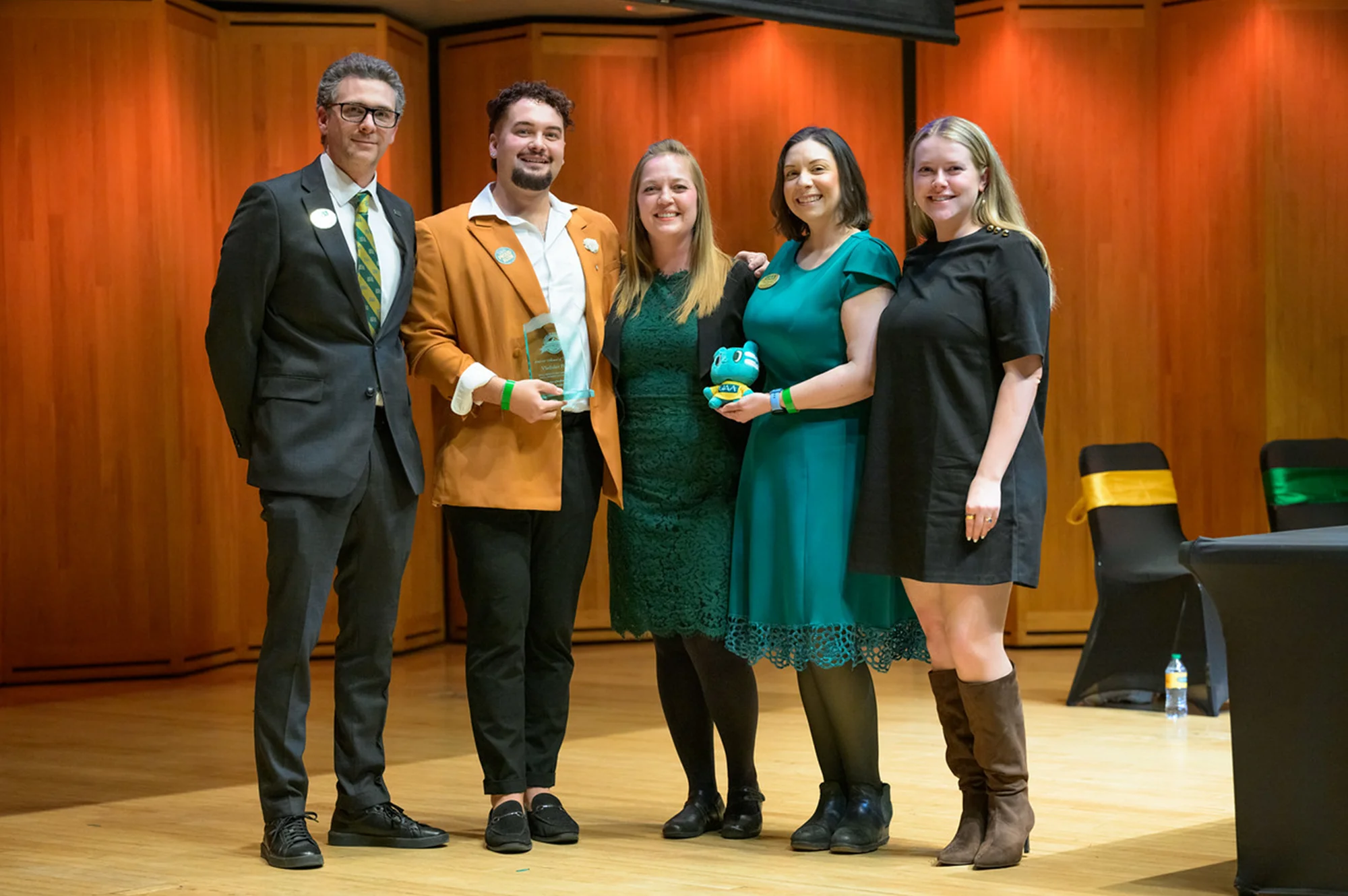
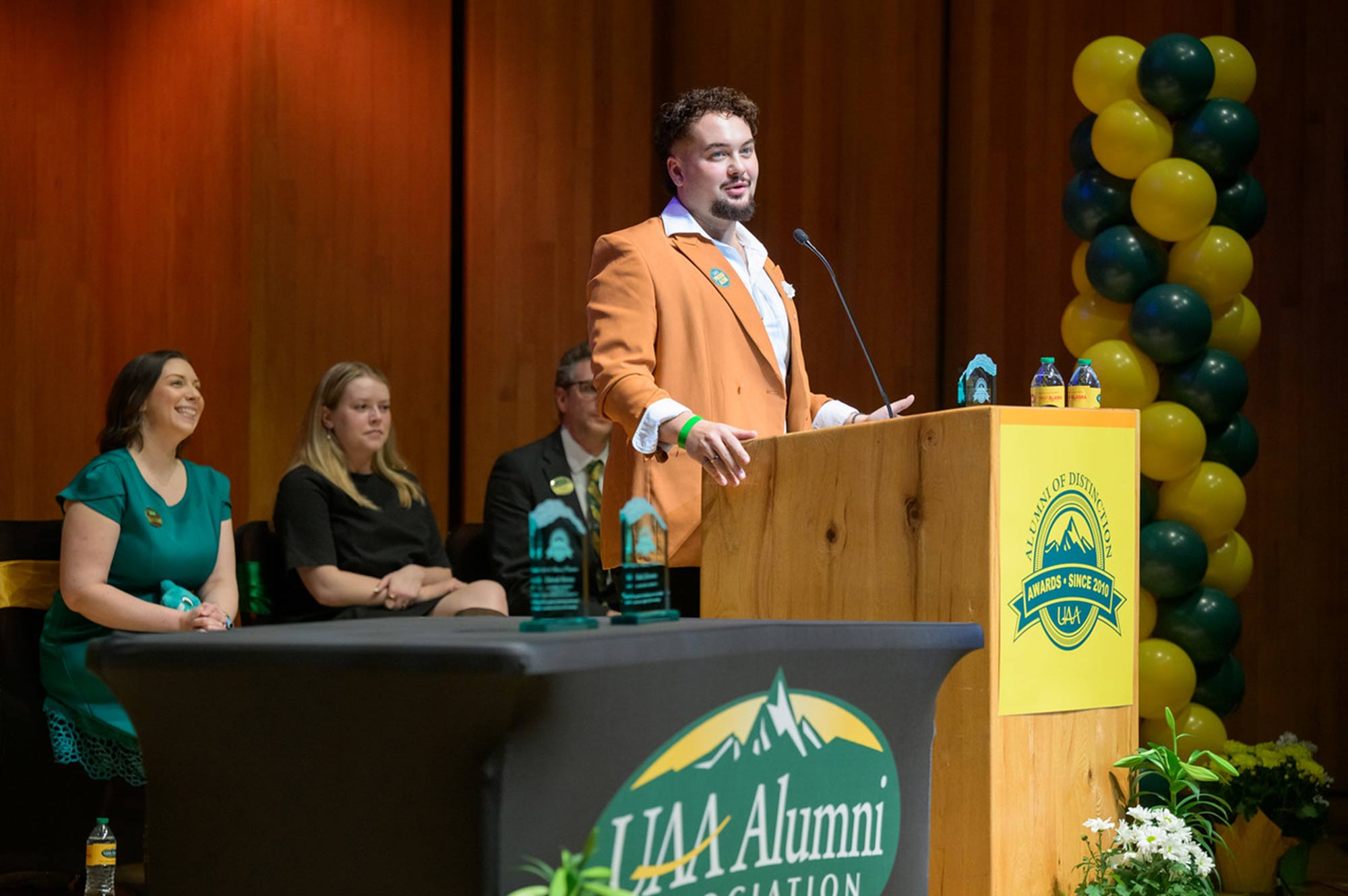
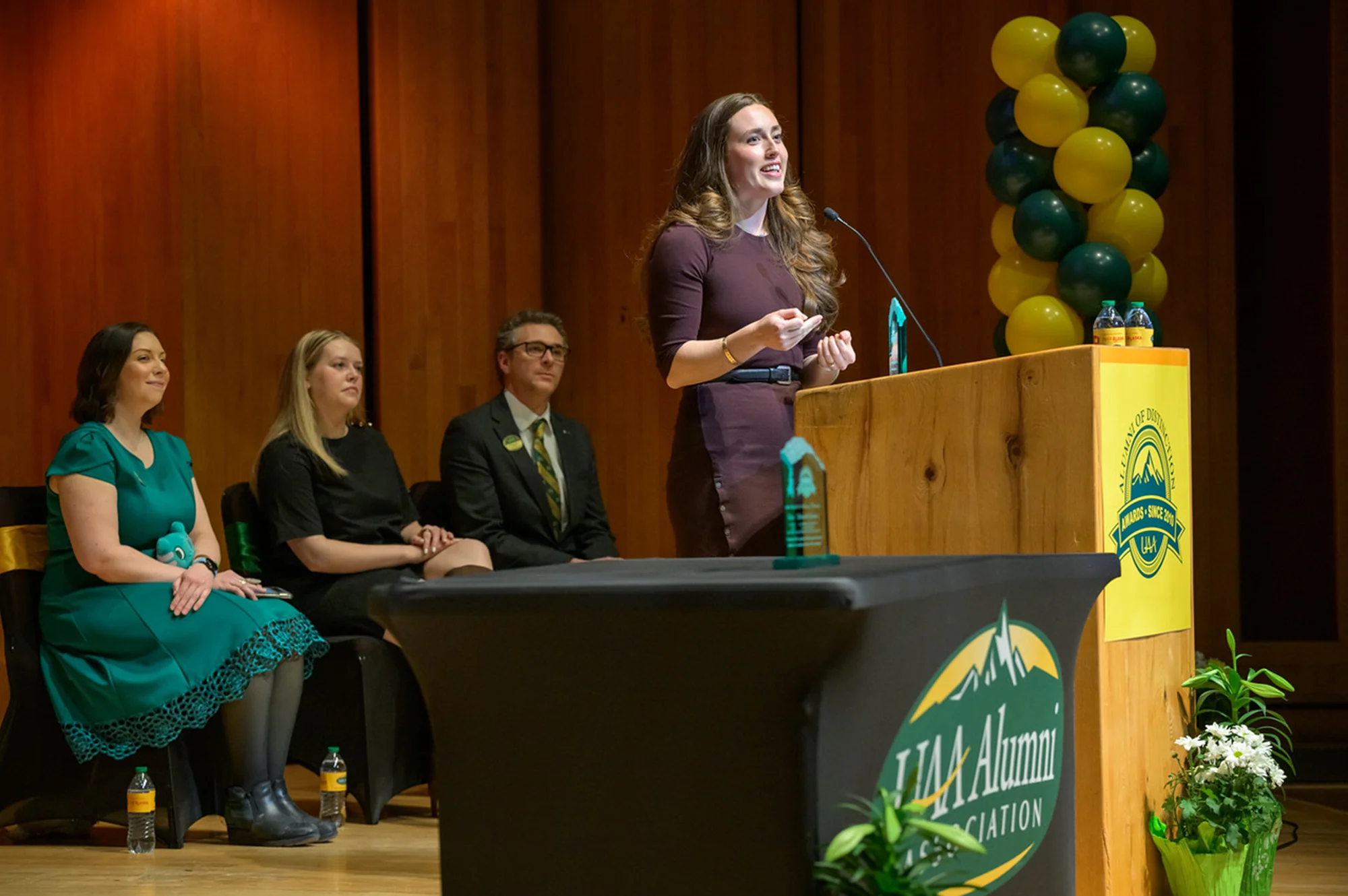
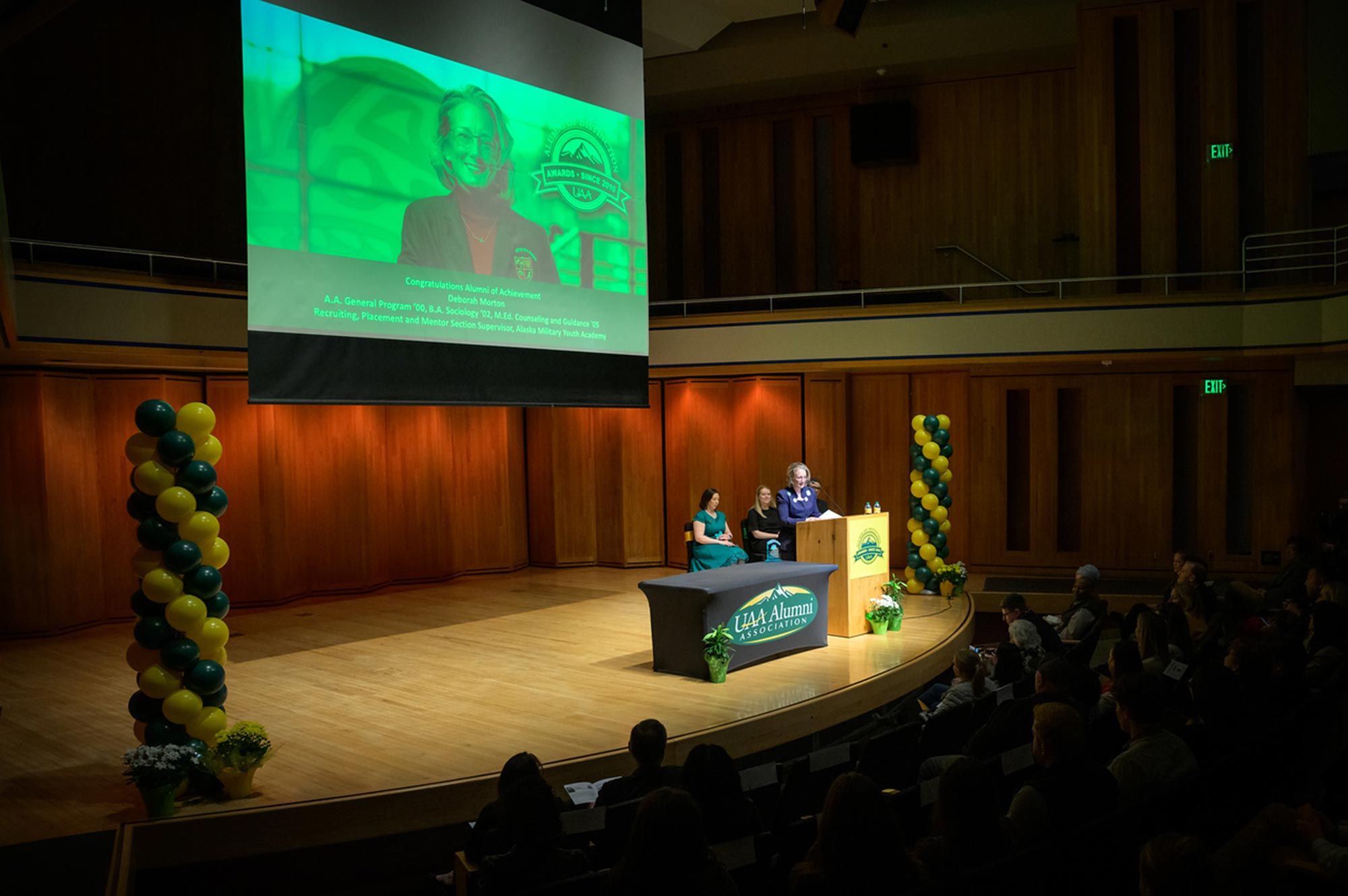
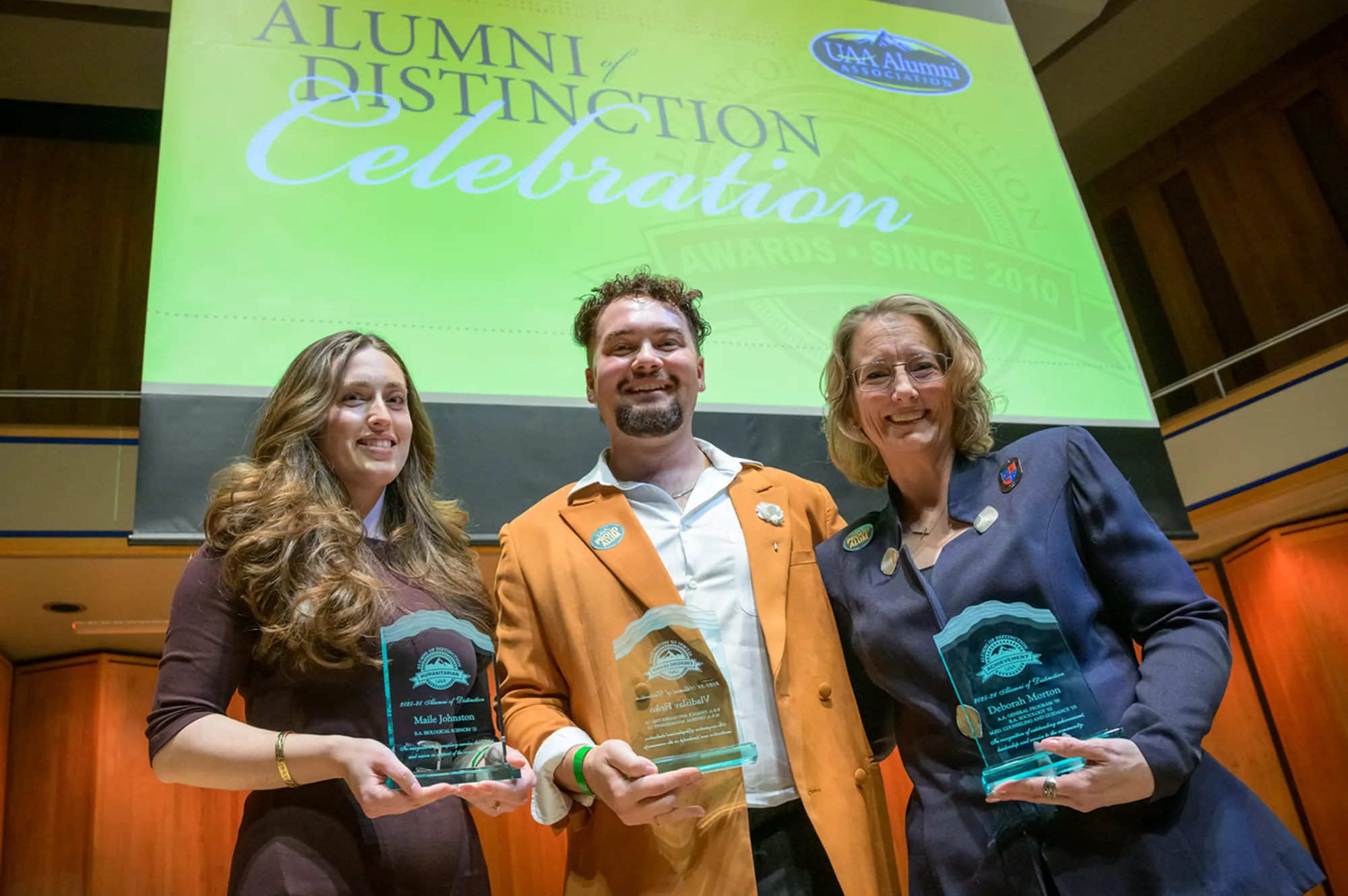
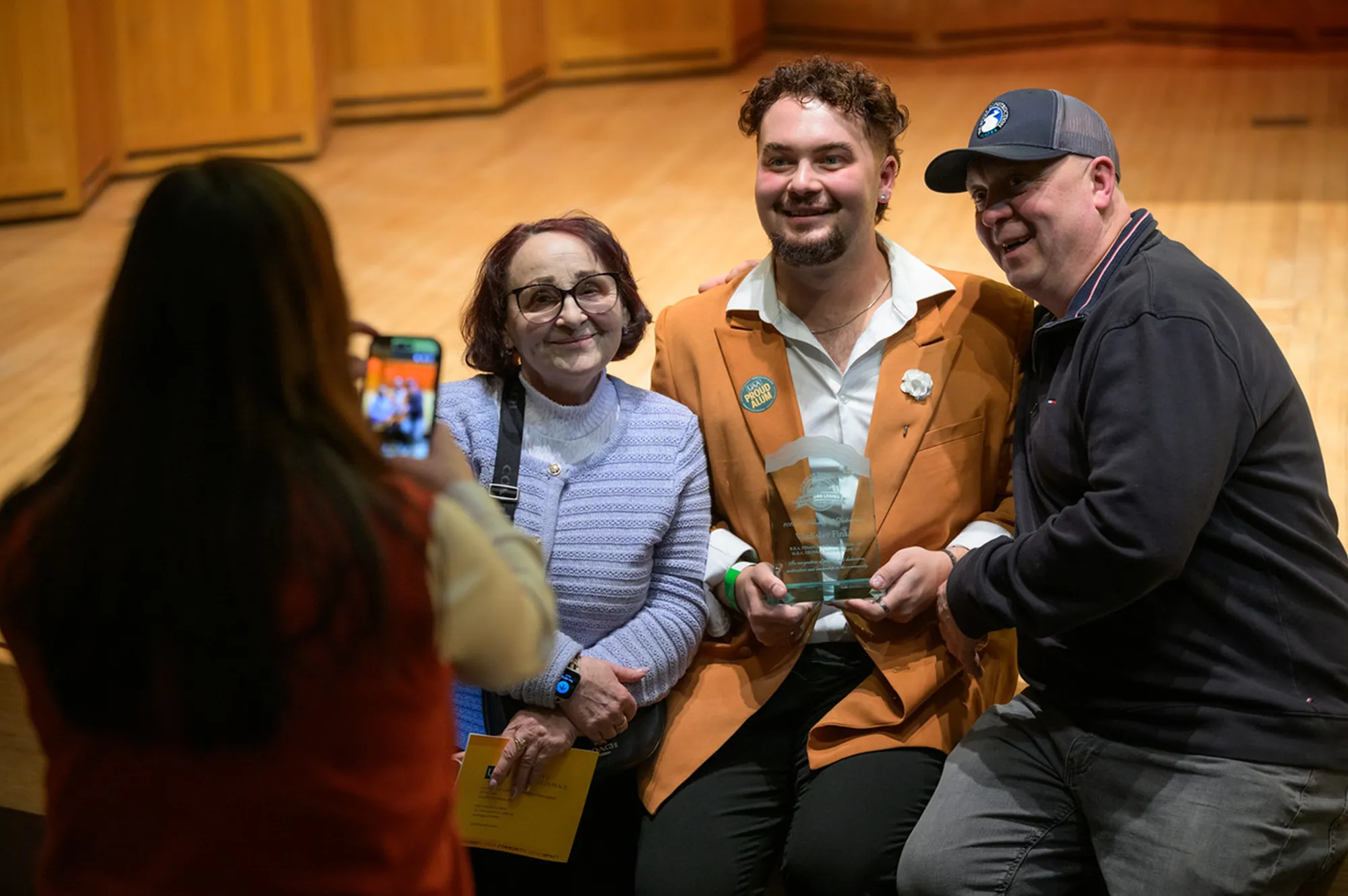
The Office of Alumni and Community Engagement and UAA Alumni Association welcomed spring by announcing the latest Alumni of Distinction. The three distinguished graduates were honored for their contributions in their fields and to their communities at the Alumni of Distinction Celebration on Thursday, March 26, which saw more than 120 attendees pack the Fine Arts Building Recital Hall on the Anchorage campus to reconnect with their hometown university while raising donations to benefit UAA programs and scholarships.
Alumni of Achievement
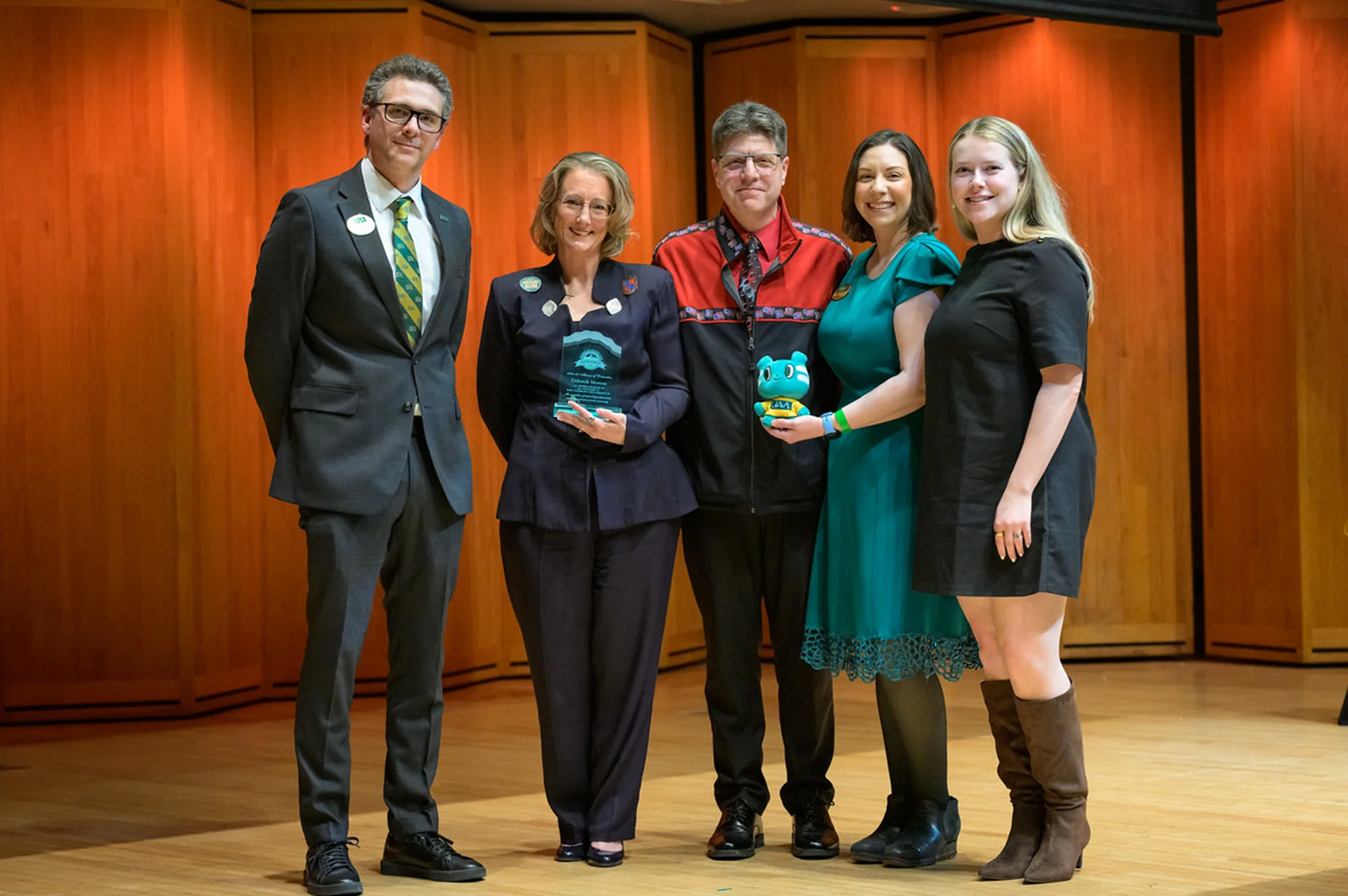
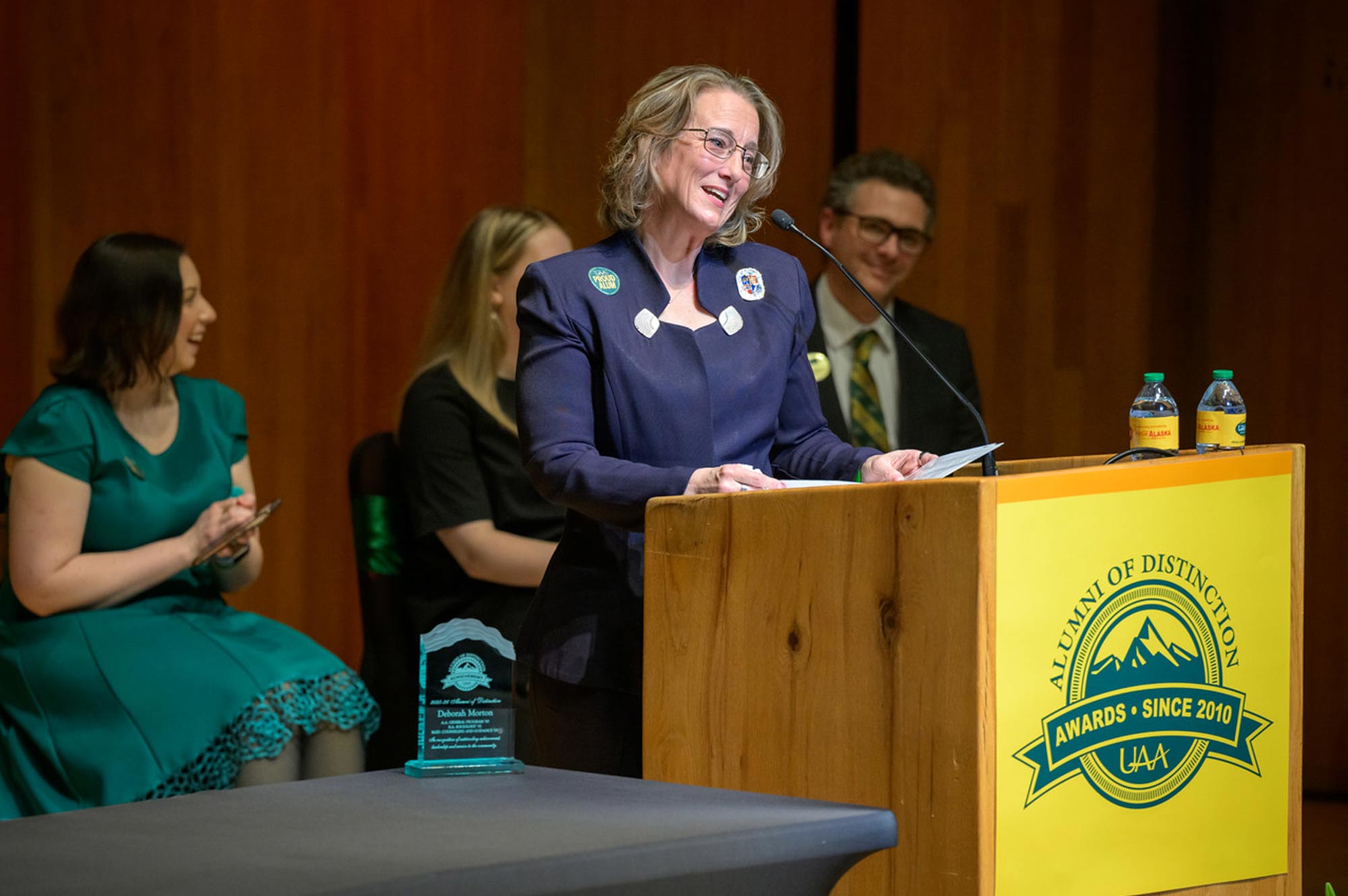
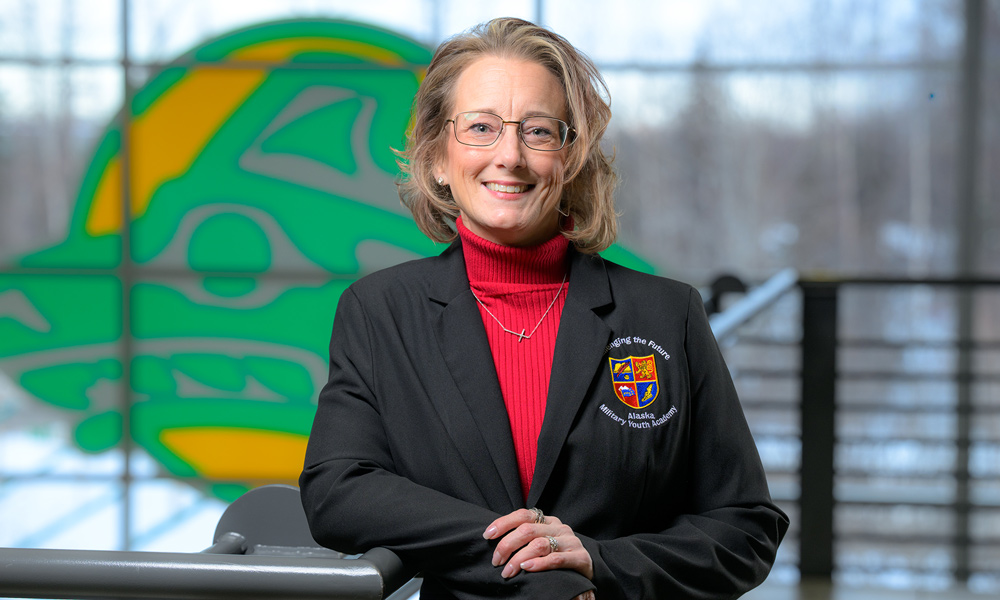
Deborah Morton
A.A. General Program ’00, B.A. Sociology ’02
M.Ed. Counseling and Guidance ’05
Recruiting, Placement and Mentor Section Supervisor, Alaska Military Youth Academy
At AMYA, Morton guides families with teenagers who have struggled in traditional school environments. The AMYA serves young people between the ages of 15-and-a-half and 18, offering them the opportunity to earn a GED, complete a high school diploma or catch up on credits before returning to their local schools. Morton’s position allows her to see nearly every step of a cadet’s journey. She connects with families during outreach events across the community, oversees admissions interviews and supervises the systems that support cadets during and after the program. Her work continues even after cadets graduate; as she and her team stay in touch with graduates for two years, helping them connect with resources, education and employment opportunities as they transition into the next phase of their lives.
Central to Morton’s approach is a simple yet powerful philosophy: listen without judgment to the young people who often feel unheard. Many of the youth who arrive at AMYA have faced challenges that make traditional education difficult. Morton focuses on understanding their perspectives and helping them identify their own solutions. She values the moment when a cadet begins to see possibilities for themselves. Those moments of realization, when a young person recognizes their potential, remain one of the most rewarding aspects of her work.
“Every emotion boils down to feeling helpless, hopeless, unloved or unheard,” said Morton. “So anytime someone gets sent to my office, I ask them which of those they’re feeling, and we move forward together. It’s important for them to find the solution so they have that buy-in, because if I find it for them, it won’t mean as much.”
Morton’s path to this role was not entirely straightforward. Growing up in a military family might suggest a natural progression into a program connected to the National Guard, but her career took several unexpected turns before she found her calling.
After arriving in Alaska in 1990, she briefly enrolled at UAA for one semester before stepping away from school. For nearly a decade, she focused on other pursuits before deciding it was time to return to the classroom and create a more stable future. Rather than tackling college all at once, Morton approached it step by step. She began by completing an associate degree, which gave her the confidence to pursue a bachelor’s degree in sociology. That path eventually led to a master’s degree in counseling and guidance, a program she enrolled in with encouragement from advisors who recognized how well the field matched her strengths and interests.
“Everything I learned from UAA, I still use today in my curriculum — that’s even how I met my husband!” said Morton. “One of my priorities with youth is to make sure they have access to UAA. After I took 10 years off, I didn’t know who to talk to or where to go. Now I make sure our cadets have that face-to-face connection to learn how to apply to college or for financial aid so they don’t have the same delay I did.”
Along the way, Morton discovered that working with people was not only something she was capable of doing, but something she deeply enjoyed. Early experiences in counseling roles, including work in the TurnAround substance abuse recovery program, Texas Department of Criminal Justice-Institutional Division, and with the Alaska Department of Juvenile Justice, helped her realize her greatest impact would come from supporting young people during critical moments in their lives. She eventually transitioned to the Alaska Military Youth Academy in 2005, first working in case management before becoming the supervisor of the recruiting, placement and mentor section in 2008.
During more than 25 years dedicated to youth development, Morton has contributed to programs that extend far beyond Alaska. At AMYA, she helped develop training standards and best practices that have been adopted by National Guard Youth Challenge Programs across the country. Her work has earned both statewide and national recognition, including the Alaska Journal of Commerce Achievement in Business Award, the Office of the Secretary of Defense Patriotic Employer Award and the State of Alaska Commendation Medal.
Despite those accolades, Morton remains quick to redirect attention to her team, as well as to the youth she serves, who she describes as leaving a greater impact on her than she does on them. The teenagers she works with constantly challenge her to adapt, listen and understand new perspectives, shaping how she approaches both counseling and leadership.
“The kids I work with and their families are so amazing,” said Morton. “They teach me how to evolve and adjust my worldview. They have made much more of an impact on me than I will ever make on them.”
Alumni Humanitarian
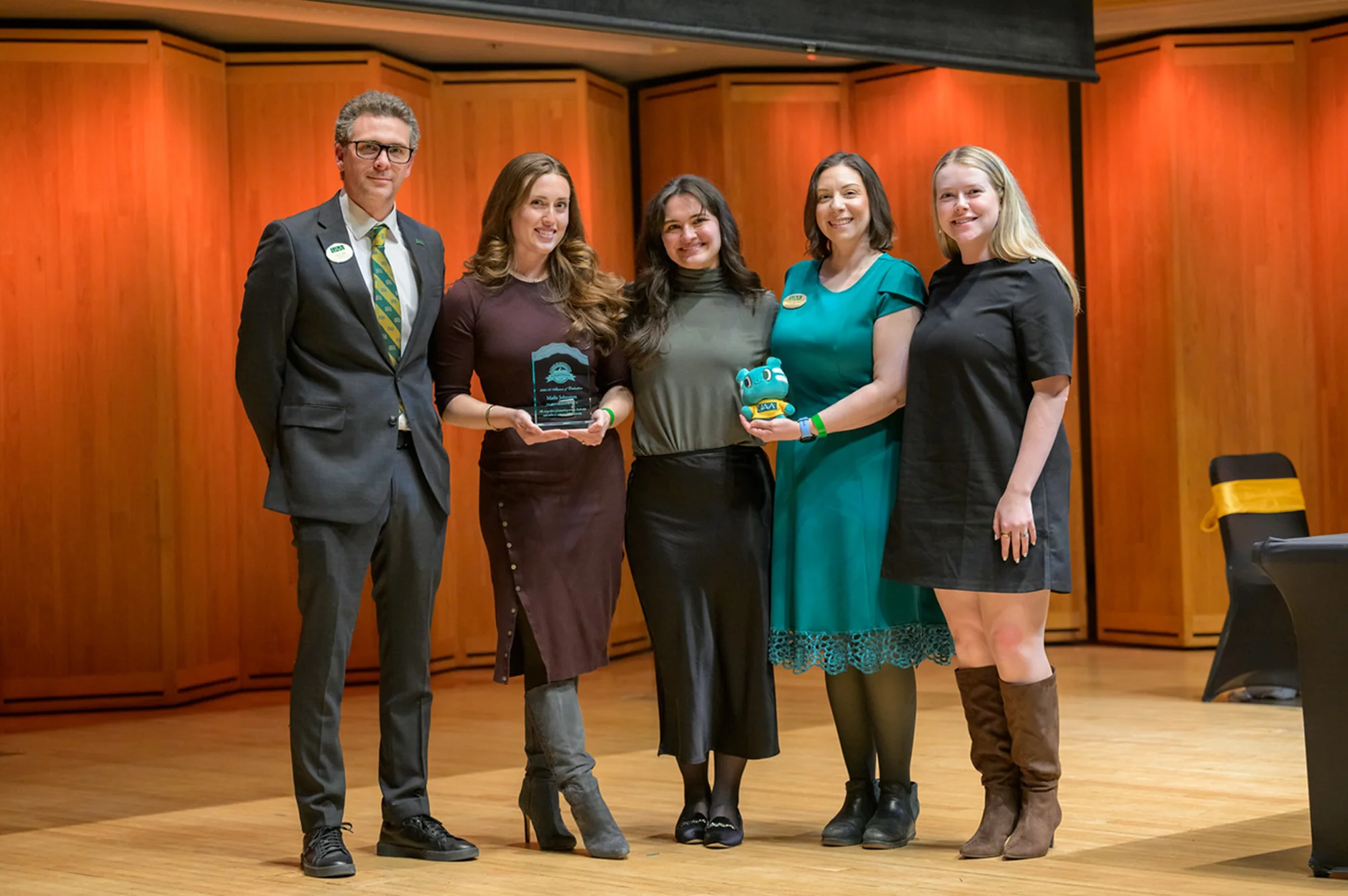
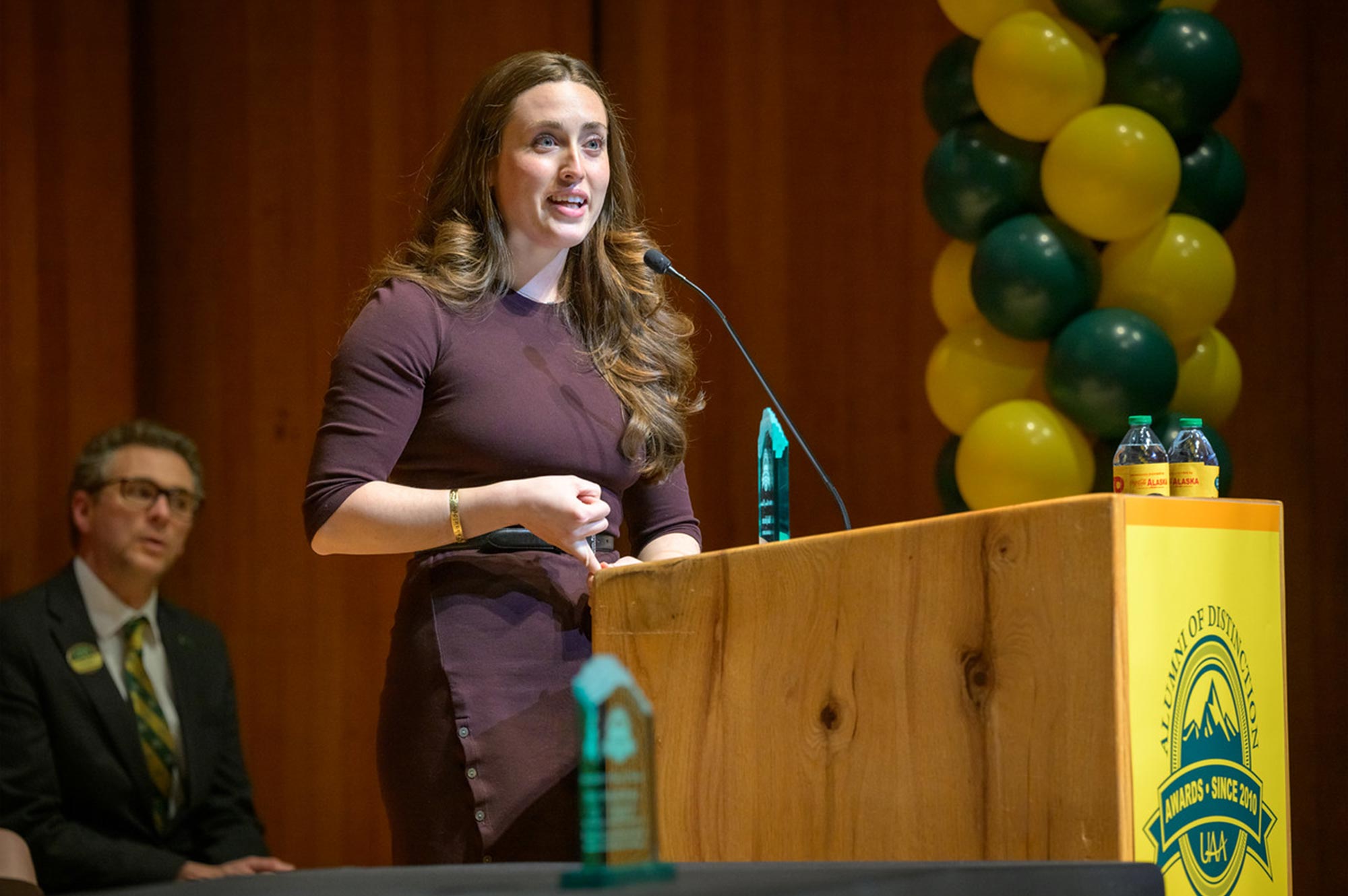
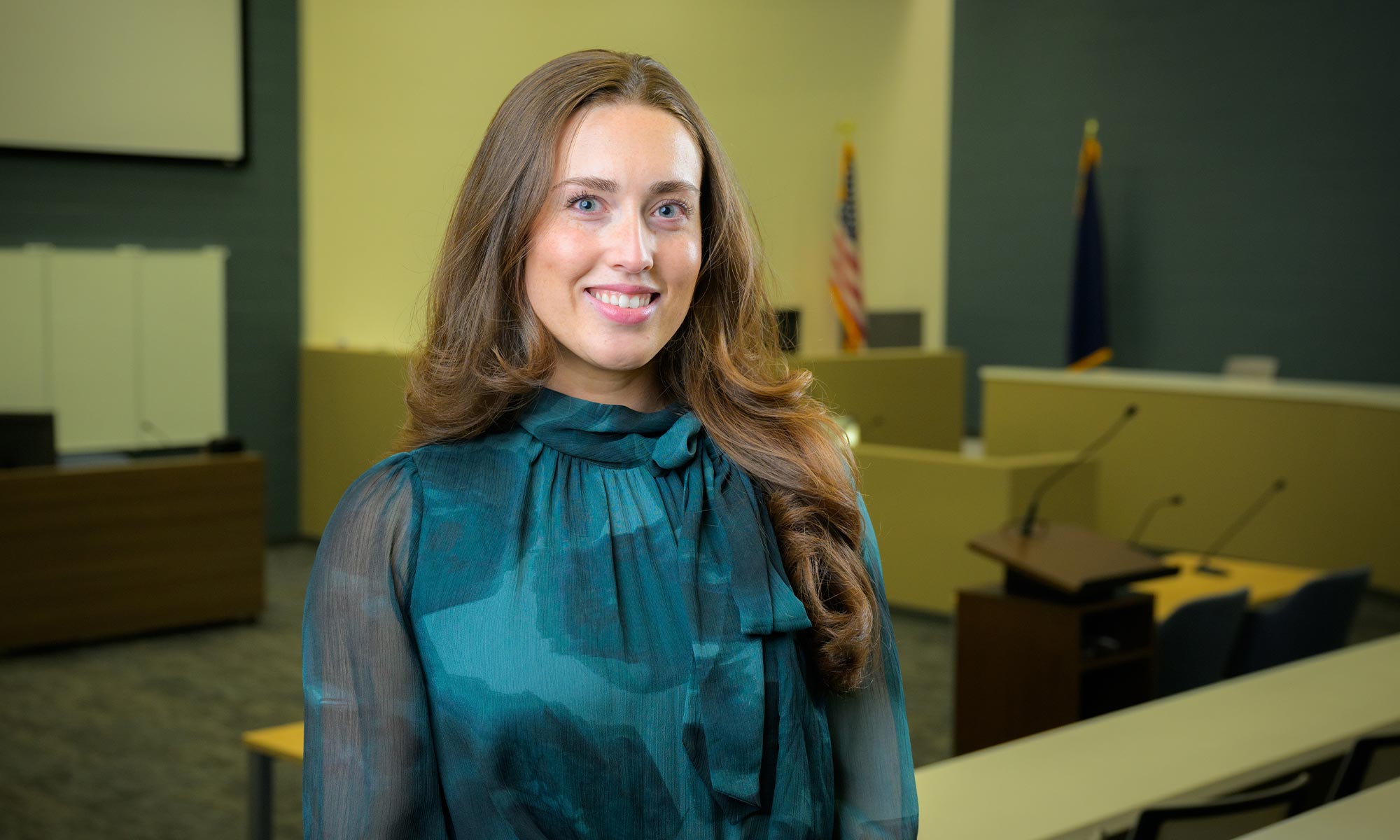
Maile Johnston
B.A. Biological Sciences ’21
Law Clerk, Alaska Supreme Court
Johnston grew up in Eagle River but also spent significant time in Hawaii, where her father is from. Time in both places — the mountains of Alaska and the beaches of Hawaii — shaped her initial interest in environmentalism. She also believed law would be the vehicle for that advocacy. Her career interests were also shaped by her mother’s career as a lawyer. Johnston’s mother served as an assistant attorney general for the State of Alaska’s Child in Need of Aid division, where her work benefitted children who had experienced abuse and neglect. Her mother’s work showed Johnston firsthand how legal advocacy could make a difference in people’s lives.
As Johnston began to volunteer with organizations that supported foster youth and survivors of domestic violence, she found herself drawn to work that benefited people more directly. Around the same time, she also became involved in the Miss America organization, a program many people associate primarily with beauty competitions, but one that also emphasizes advocacy and scholarship.
“I wanted to be the type of person that could be Miss Alaska,” said Johnston. “For me, that meant being somebody who was super involved in the community and was able to speak about issues that I cared about.”
Through the Miss America organization, Johnston developed her public speaking skills while promoting an initiative supporting children in Alaska’s foster care system. When children enter custody, they are often given trash bags to collect their belongings. Johnston helped organize efforts to donate luggage and personal care items to the Office of Children’s Services so children could carry their belongings with dignity.
After being crowned Miss Alaska in 2019, Johnston was also able to use the program’s scholarship opportunities to help pay for her undergraduate education at UAA. During this time, she embraced the philosophy encouraged by Claudia Lampman, former vice provost for student success, who urged her to take full advantage of the many opportunities for community engagement and professional development on campus.
“If you are somebody who is really willing to get involved in the community, there are a lot of opportunities at UAA and a lot of professors who are willing to work with students and help them achieve any dream they have, no matter how niche that dream may be,” said Johnston.
Johnston next enrolled at the University of Michigan to earn her Juris Doctor. During her first year, she focused on mastering the rigorous curriculum while seeking opportunities connected to her interest in advocating for children and families. In her second year, she expanded that focus through hands-on clinical programs, including the Pediatric Advocacy Clinic, a medical-legal partnership that connected families receiving pediatric care with legal support. Through the clinic, Johnston worked on cases involving housing disputes, disability rights, education challenges and domestic violence. By her third year, she became involved in broader interdisciplinary initiatives addressing systemic issues impacting vulnerable populations. One project examined child labor involving unaccompanied minors who had entered the United States and were being exploited in dangerous industries. Working alongside students from law, engineering and social work, Johnston helped research policy and business solutions that could be presented to legislators, nonprofit organizations and corporate leaders, combining legal research with collaborative problem-solving aimed at protecting vulnerable children.
After completing law school, Johnston returned home to Alaska, where she now serves as a law clerk for Alaska Supreme Court Justice Dario Borghesan. In this role, she spends much of her time reading complex case files, researching legal issues and drafting memoranda that help inform judicial decisions. Working closely with a justice of the court provides an opportunity to examine the law at the highest level in the state while continuing to sharpen the analytical skills she developed during law school.
Looking ahead, Johnston plans to transition into private practice before getting involved in state government. Wherever her path may lead, the goal will always be to use law to help restore dignity, stability and opportunity for the people who need it most.
“Child neglect, sexual assault and domestic violence have a huge impact on Alaska communities,” said Johnston. “While it won’t be easy to eliminate abuse, if we can create awareness about the ways people can be part of the solution, I think that would make a huge difference. At the end of the day, people deserve dignity, they deserve respect and they deserve to feel safe.”

Alumni Emerging Leader
Vladislav Finko
B.B.A. Finance and Marketing ’20
M.B.A. General Management ’23
Marketing Strategist, Alaska Wealth Advisors
In his current role, Finko helps people feel more comfortable engaging with something many find intimidating: finances. His work communicates the firm’s services in a way that connects with clients and emphasizes their goals rather than the anxiety that surrounds conversations about money. By focusing on people’s aspirations — like buying a home, retiring comfortably or building a legacy — he helps frame financial planning as a journey rather than a calculation.
“These can be scary conversations, but they are important conversations to have,” said Finko. “We try to focus away from how much money clients have, and more on what goals clients want to achieve. It’s not about what you’re lacking or where you’re starting, but it’s about the journey, how to get there, and taking away this burden from our clients.”
More recently, Finko’s responsibilities have expanded as the company itself has grown. Alaska Wealth Advisors recently surpassed $1 billion in managed assets, a milestone achieved by only a small percentage of firms in the industry. Strategic marketing initiatives led by Finko helped generate roughly $150 million in new assets in a single year. But with that growth has come a new challenge: maintaining the identity and community-focused reputation that helped the firm succeed in the first place. As the company competes with much larger national firms, his work increasingly centers on ensuring that the organization’s story, brand and personal approach remain recognizable to clients.
Born and raised in Magadan, Russia, a small city that once had a sister-city relationship with Anchorage, Finko’s family immigrated to Alaska when he was about 12 years old in search of greater opportunity. Growing up in an immigrant family made him aware of the importance of financial stability and how understanding money could empower individuals and families to shape their futures. At the same time, he discovered an early passion for mathematics, which naturally drew him toward finance and analytical fields.
When it came time for college, he enrolled at UAA where the university’s smaller size proved to be a huge advantage. Finko appreciated the close-knit environment, where students regularly interacted with industry leaders and local executives in the classroom. That exposure helped him understand how academic concepts translated into real-world careers, while also allowing him to begin building relationships with mentors and professionals in Anchorage’s business community.
“UAA is small and the community is tight,” said Finko. “Nowhere else could you meet with CEOs from big companies that we want to work with in your undergrad classes, nor would I have had the opportunity to get the internships and the jobs that I had if I had not gone to UAA.”
After graduating in 2020, the first year of the COVID-19 pandemic, Finko entered the workforce during an uncertain economic period. He eventually found his way to Alaska Wealth Advisors through a personal connection. Originally hired as a financial advisor, he quickly became curious about another side of the business.
Finko reached out to the firm’s marketing director to learn more about how the company presented itself to clients. Marketing had long been another interest of his, sparked by a fascination with branding, advertising and consumer behavior. Over time, he began splitting his responsibilities between financial advising and marketing projects. As leadership saw the value of this hybrid skill set, they created a specialist position that allowed him to focus on marketing full time, which evolved into his current position as marketing strategist.
Another pillar of the American dream is the idea that success carries a responsibility to pay it forward. During his own college years, Finko was active in professional development programs like the Anchorage Young Professionals Group. Now that he is established in his field, he works to create those same opportunities for others through roles like region lead for Women in ETFs, which connects students with the heads of global financial institutions. It is efforts like these that reflect a broader belief that strengthening a community requires investing in the next generation of leaders.
“A big motivation for me is ensuring that people see the value our community has,” said Finko. “I’ve grown up not necessarily having a lot, so I always had to seek out opportunities. Now that I’m in a place where I can actually offer those opportunities to others, I want to give back to the community that’s given me so much.”